
(November 01, 2018/ Jorge Ibanez / Photo: Jorge Ibanez)
A couple of weeks ago, I was referred from an online article to an interesting site that I would highly recommend, <a href=”http://www.openculture.com/”>Open Culture</a>. The featured article was at that time a review of an interesting blog, <a href=”https://dailystoic.com/”>The Daily Stoic</a>. This is a beautifully designed site with informative well written articles about this popularly misunderstood subject.
It brought back dear memories. For what now so many years after feel like a fairly good portion of my late adolescence, what I consider now in hindsight everyone’s most vulnerable, my bedside reading was Meditations by Marcus Aurelius. And that just thanks to a happy accident.
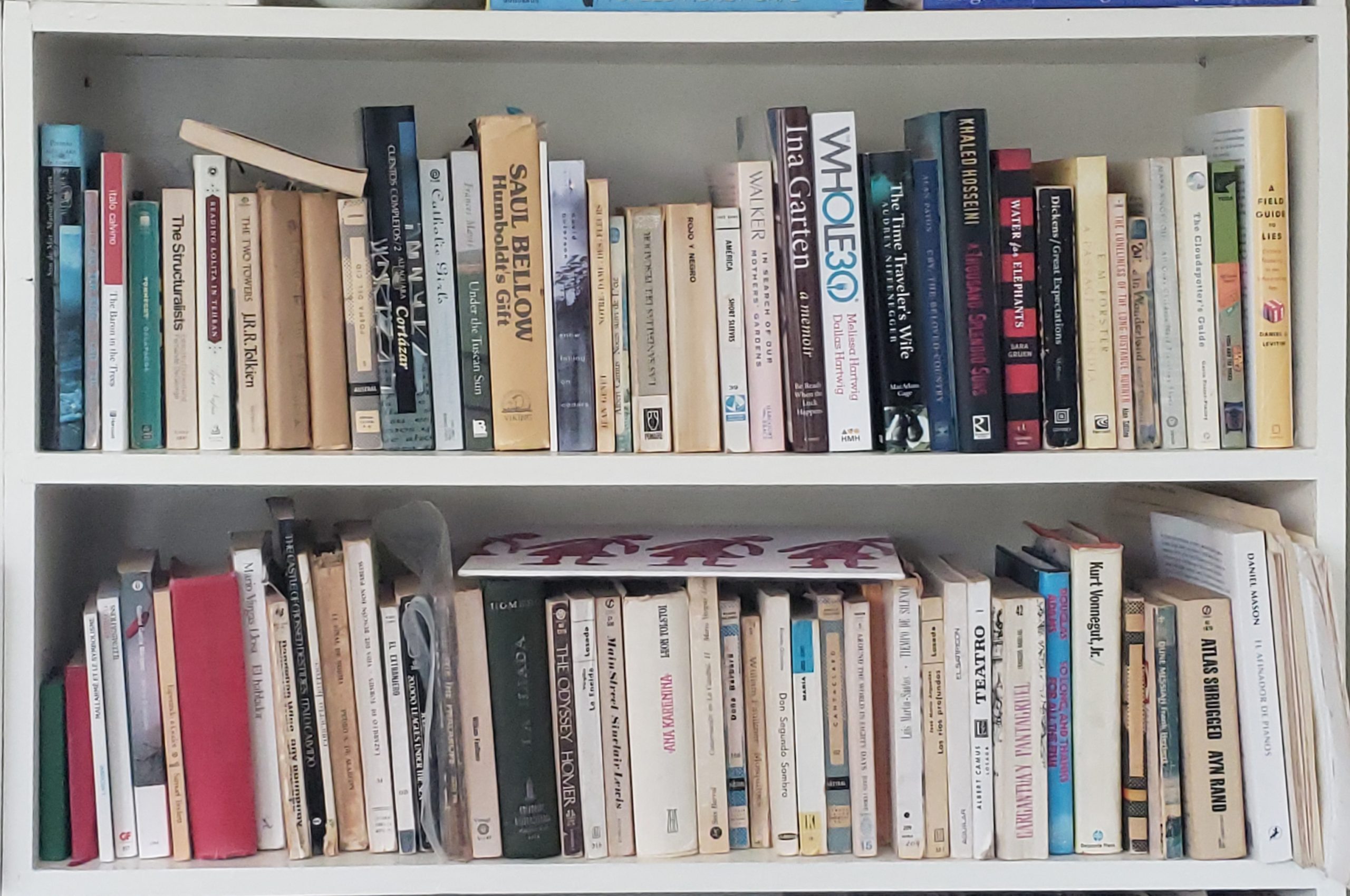
I had run in a magazine into an offer for one of those many book of the month clubs (Classics, this one was called), and on a whim signed up. I must say that I barely opened any of the books coming in except for Benjamin Franklin’s Autobiography (which I enthusiastically read cover to cover) and Marcus Aurelius’ Meditations. Which fascinated me.
This was the time when the boy is definitely throwing the very last gasps and the new adult is trying to make sense of the world and his place in it. I would peruse the book at every opportunity (this is basically his journal) and was intrigued by this way of looking at life. Exploring for clues. My first ran into a life philosophy.
Yes, later I would explore yoga and, to my very limited understanding, put to a side as ways to turn yourself into a pretzel. Yeah, I did my poses before going to bed, but hardly a philosophy of life. Then it was the turn for Buddhism, of course, after all it was the late 60’s. My first impression after going through the four noble truths was that had there been Prozac in Buddha’s time, the world would have one less religion/philosophy to talk about. For me this guy was basically clinically depressed. He reminded me of my bipolar grandmother. I was expecting her to also come up with some groundbreaking wisdom at any minute. Of course, once Buddhism tried to enter China, it ran smack dab into Taoism and the rest is history. But that is a story for some other time. But you get the idea, I am not any high flying, deep thoughts kind of guy. I lean to the practical side. And now I think maybe that is thanks to having ran into good ‘ol Marcus so early on.
But all that was some time later. It was during my Meditations period that I first heard about Mindfulness, in their own way. The Amor Fati of the Stoics. Of course, I had never heard of Stoics before. And reading the introduction to the book, I was captivated by the reasoning and the historic background of this school of thinking. And how misunderstood it is by most as an attitude to just face misfortune with a stiff upper lip and don’t complain. There was so much more to their world view. A whole existential management plan beyond just a philosophy of what life is or is supposed to be. A system, really. Of course, it did not go well when I very enthusiastically told my mom that you should frequently practice negative visualization, meditate on your mortality (the stoics Memento Mori recommendation), and practice misfortune and that Seneca, for one, had killed himself and that was ok. Coming from a, how should I say, ‘special’ adolescent, it almost floored her. Poor girl, when I think of all the scares I gave her…
Now, I am not very academic about this kind of stuff, like I said before. But some things I find pretty obvious in my limited understanding. Which is ok. It works for me. But I now think that what really caught my attention from the stoics and from Zen buddhism is precisely that at the core they both build around the same philosophy: be here and don’t pass judgement. The now much in vogue ‘Mindfulness’ (yeah, I know, the whole ‘mindfulness’ thing is kind of trite by now, just bear with me).
You don’t need to renounce the world. You don’t have to deprive yourself of all that makes you a human being, good and bad, strong and weak, curious. Just be mindful, be here, and be ready to move on at a moment’s notice. And enjoy whatever is there to be enjoyed for while it lasts. Seems simple but that is all, really, that is what is at the core of happiness, the way I see it.
I don’t do too much philosophizing about it. You can say that ‘reality is impermanent’ or, in the words of the stoics, ‘everything is ephemeral’. So, embrace the present regardless of what your lot is, it does not mean ‘enjoy it’ but rather dive in, get engaged, open your eyes wide and listen attentively. And then don’t gloat on your successes and don’t dwell on your failures. Just be completely there and be ready to haul ass when it’s over. The rest is fluff.
And you know why this is so. Because all your suffering and all your pain and hurt, comes from your incapacity and/or refusal to accept/understand that reality is impermanent. From that incapacity spring the two sources of suffering: preferences (you prefer that things were some other way instead of embracing what is, Amor Fati) and expectations (you think things will be one way and get depressed when they turn out a different way). You get sad because you gain some pounds, you get sad because your wife/husband left you, you get sad because you don’t look as young anymore, you get sad because you did not pass the exam, you get sad because your mother died and on and on.
Granted, you do need a code and a faith that you can live by. But that faith has to work for you, it has to work to explain your place in the big scheme of things. And all I needed was that: the understanding that reality is impermanent and you have to embrace at all times the moment. Really embrace it. And believe me, that is not easy for a 67 year old dude with a touch of ADD. But it is all I and, yes, you have. And it took me through some very tough moments in my life.
So in that reasoning, Christianity faded into the background early on in my adolescence. The thing about ‘this is a valley of tears’ and, if we can endure, there’s a reward waiting for you on the other side. Well, a god that creates imperfect beings and then sits to wait to see them fail so it can punish them… well, that kind of sucked. And, c’mon, for a valley of tears it looked at that moment like a very exciting even if scary valley to find yourself in! I was 17. Did Buddha really sit under the Bodhi tree or is that a metaphor? Did Jesus really go 40 days with no water? Did Muhammad ever get to that Mountain? How many virgins is it that are waiting for me in heaven? All fluff.
The beauty to be human and to be here. All the time. You don’t need to hide from your humanity. Be <em>very</em> human. Imagine there’s no heaven. Just take a deep cleansing breath and be ready to let go.
See you then, y’all…